
Your child spends hours each day indoors, surrounded by screens and artificial lighting. Yet their natural curiosity draws them toward windows, to birds outside or to the changing weather. This instinct is not just childhood wonder—it is a fundamental need for connection with the natural world that shapes how young minds develop.
Nature plays a central role in Montessori education by providing authentic learning experiences that nurture your child’s independence, curiosity, and development through direct interaction with the living world.
Rather than treating outdoor time as simply recreation, Mosaic Montessori Academy and other schools integrate nature into every aspect of learning, recognizing it as one of the most powerful teachers your child can have. This approach aligns perfectly with Montessori philosophy, which emphasizes learning through direct experience with the environment.
How Nature Connects to Montessori Philosophy
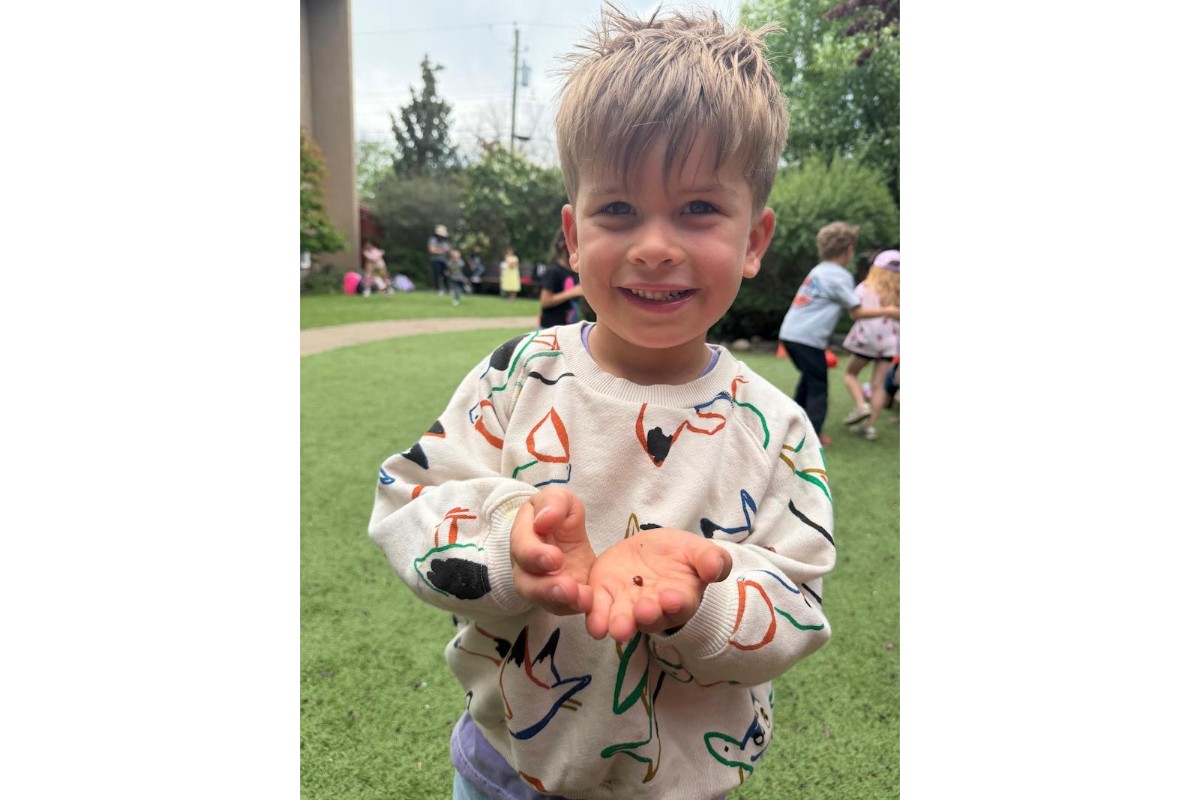
Maria Montessori believed children learn well when they can explore freely and make their own discoveries. Natural environments offer countless opportunities for this child-led exploration. Your child might spend twenty minutes examining how water moves through soil or watching ants carry food to their colony. These self-directed investigations build the foundation for scientific thinking.
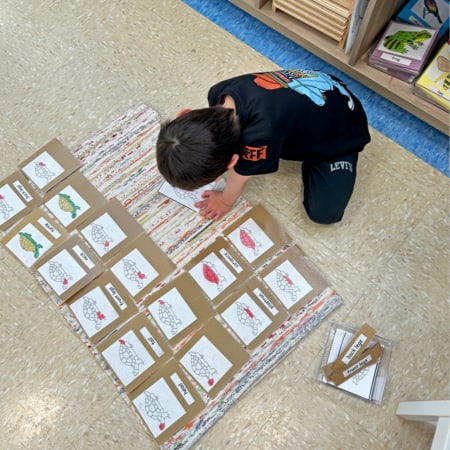
Hands-on learning with real materials forms another cornerstone of Montessori education. Instead of plastic replicas, children work with actual pinecones, smooth river rocks, and delicate flower petals. When your child sorts seeds by size or arranges leaves from smallest to largest, they are developing mathematical concepts through tangible, meaningful experiences.
Nature also supports your child’s growing independence. Outdoor environments present gentle challenges — climbing over a fallen log, balancing on a garden border, or carrying water to thirsty plants. These experiences help your child build confidence in their abilities while learning to assess and manage reasonable risks. This approach mirrors empowerment strategies used throughout Montessori education.
Daily Nature Activities in Calgary Montessori School Programs
Outdoor Classroom Experiences
Garden-based learning activities connect your child directly to the cycles of life. They plant seeds in spring, tend growing vegetables through summer, and harvest fresh carrots in fall. This hands-on experience teaches patience, responsibility, and the science of plant growth in ways no textbook can match.
Weather observation and documentation turn daily conditions into learning opportunities. Your child might measure rainfall in a simple gauge, track wind direction with a weather vane, or record temperature changes throughout the week. These activities develop observation skills and introduce basic meteorology concepts.
Seasonal nature walks reveal how the environment changes throughout the year. In March, your child might discover the first green shoots pushing through Calgary’s snow. These discoveries spark conversations about plant life cycles, animal habitats, and seasonal adaptations.
Indoor Nature Integration
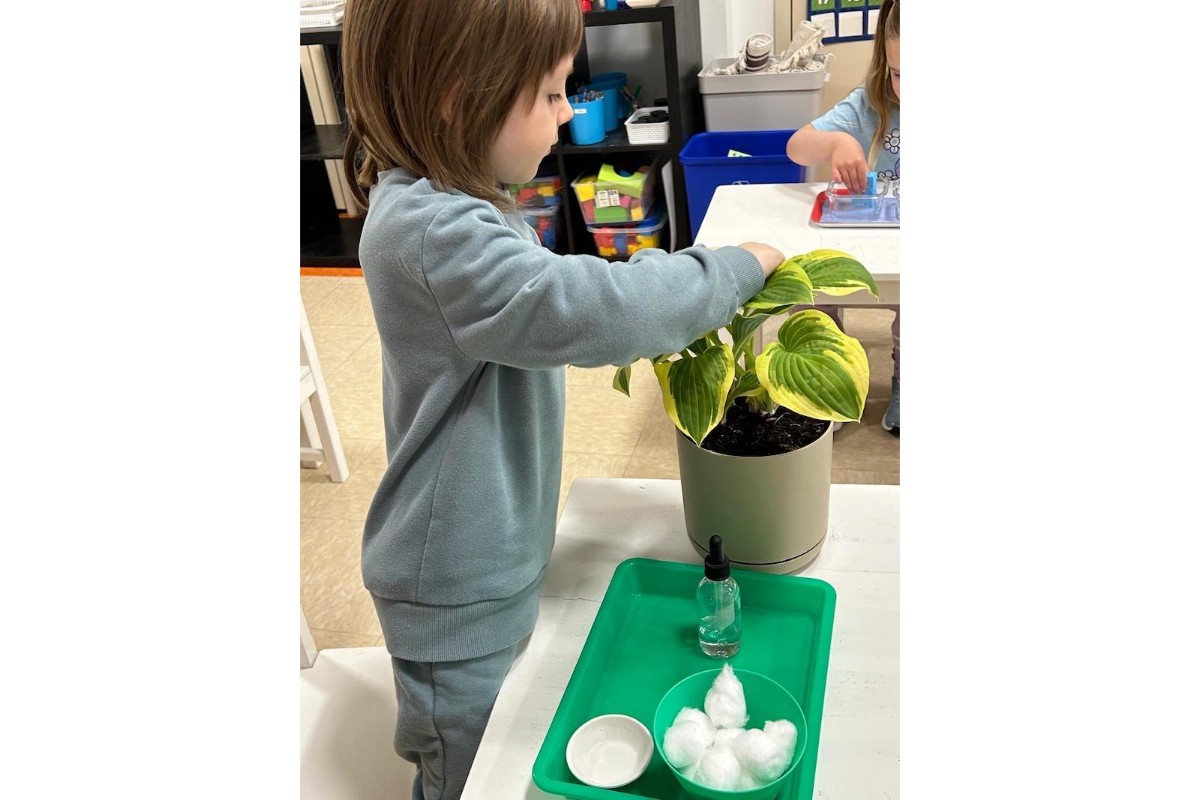
Living plants in classroom spaces bring natural beauty and responsibility into daily routines. Your child learns to water, prune, and care for classroom plants, developing empathy and understanding of living things’ needs. These green companions also improve air quality and help create a calming atmosphere for learning.
Natural materials for sensory work can engage your child’s developing senses more richly than manufactured toys. Smooth stones, textured bark, and fragrant herbs provide authentic sensory experiences that support neural development and concentration skills. This approach connects directly with sensorial education principles.
Animal care responsibilities teach your child about the needs of living creatures. Whether feeding classroom fish or caring for visiting rabbits, these experiences develop compassion and understanding of animal behaviour while building daily routine skills.
Benefits Your Child Gains from Nature-Based Learning
Enhanced problem-solving develops naturally when your child encounters environmental challenges. How can they build a dam in the sandbox stream? What materials work well for a bird shelter? Nature presents authentic problems that require creative thinking and experimentation to solve.
Improved focus and attention spans result from nature’s inherently engaging qualities. Your child might spend thirty minutes watching clouds change shape or carefully constructing a fairy house from twigs and leaves. These extended periods of concentration build the foundation for academic learning.
Stronger emotional regulation skills often emerge through regular nature contact. Fresh air, natural sounds, and outdoor movement help your child process emotions and reduce stress. When they feel overwhelmed, a few minutes watching fish swim or touching soft moss can restore their sense of calm.
Nature’s Impact on Child Development Ages 3–6
Physical Development Through Nature
Gross motor skills develop naturally through outdoor movement on uneven terrain. Your child navigates roots, rocks, and slopes, building balance, coordination, and spatial awareness. These varied surfaces challenge their developing muscles more effectively than flat playground equipment.
Fine motor development flourishes through natural crafts and exploration. Picking berries, arranging flower petals, and manipulating small natural objects strengthen the same hand muscles your child needs for writing and detailed artwork.
Cognitive Growth in Natural Settings
Scientific thinking emerges through careful observation of natural phenomena. Your child forms hypotheses about why leaves change colour or how birds build nests, then tests their ideas through continued observation and exploration.
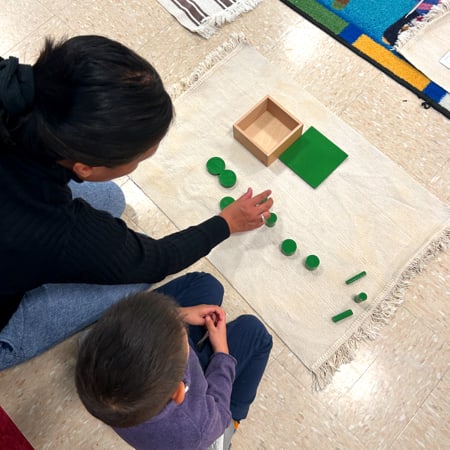
Mathematical concepts appear everywhere in natural patterns. Your child counts flower petals, compares leaf sizes, and discovers geometric shapes in honeycomb structures. These concrete mathematical experiences help prepare them for abstract number work later.
How You Can Support Nature Learning at Home
Simple backyard exploration activities extend your child’s nature education beyond school hours. Set up a magnifying glass station where they can examine flowers, insects, or interesting rocks they discover. Even apartment dwellers can explore nature through windowsill gardens or regular visits to the park.
Nature journals and collection projects help your child document their discoveries. They can sketch interesting leaves, press flowers, or write about animals they observe. These activities combine science, art, and literacy skills while preserving meaningful memories.
Seasonal cooking with natural ingredients connects your child to food sources and cultural traditions. Spring dandelion salads, summer berry picking, or fall applesauce making create delicious learning experiences that engage all the senses.
Nurture Their Love of Learning
At Mosaic Montessori Academy, we understand that nature is not just a backdrop for learning—it is a partner in your child’s development. The carefully designed programs integrate natural experiences into everyday life, supporting your child’s growth in all areas. Contact us to learn how the nature-based Montessori approach can nurture your child’s natural curiosity and love of learning.