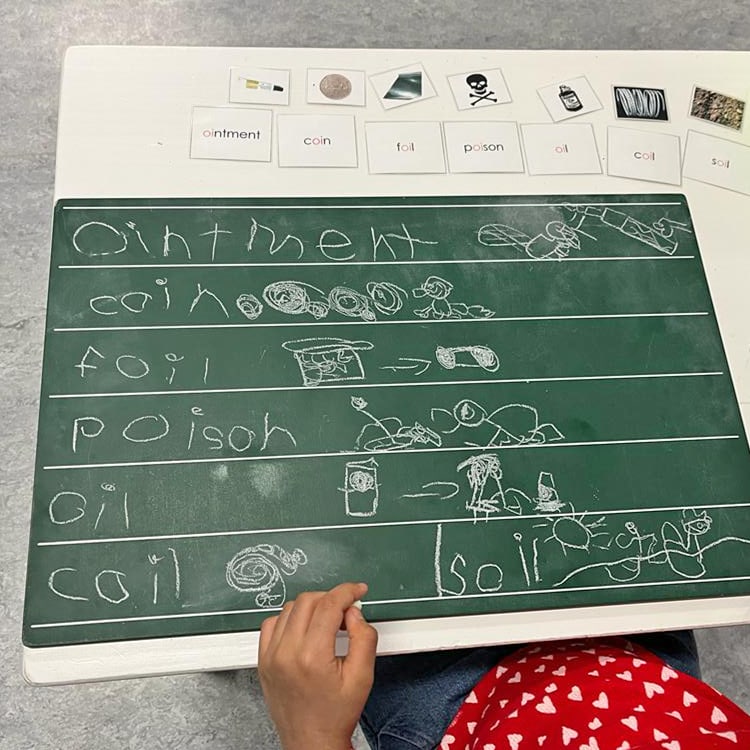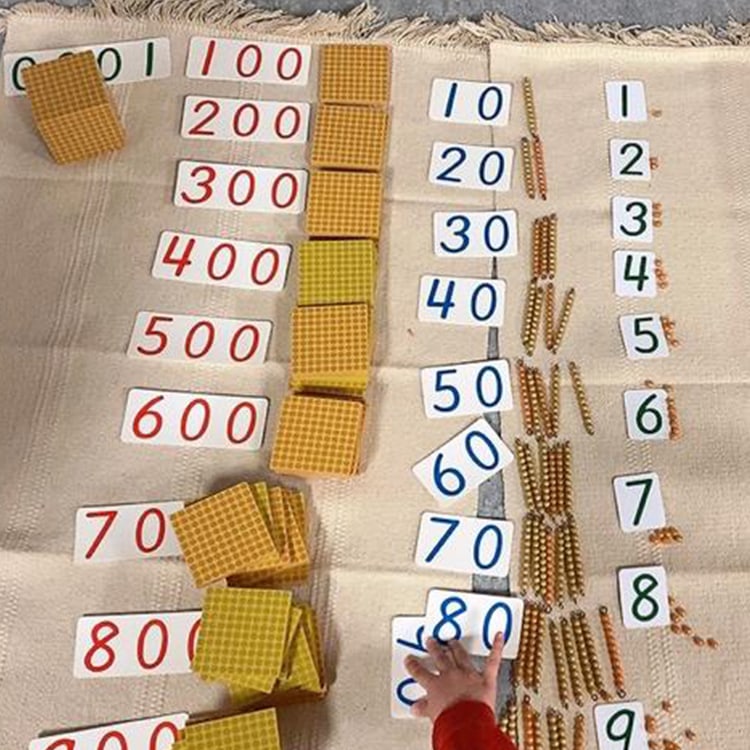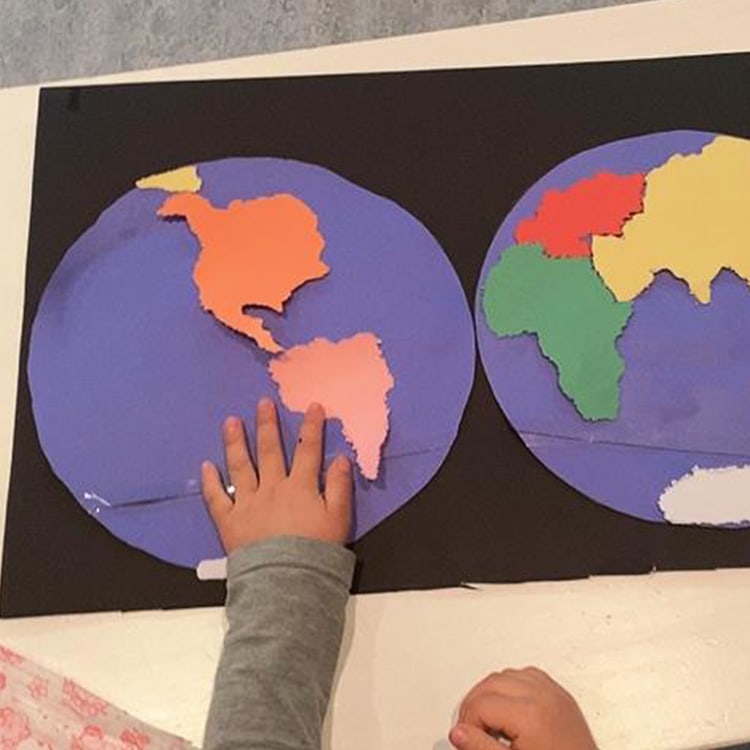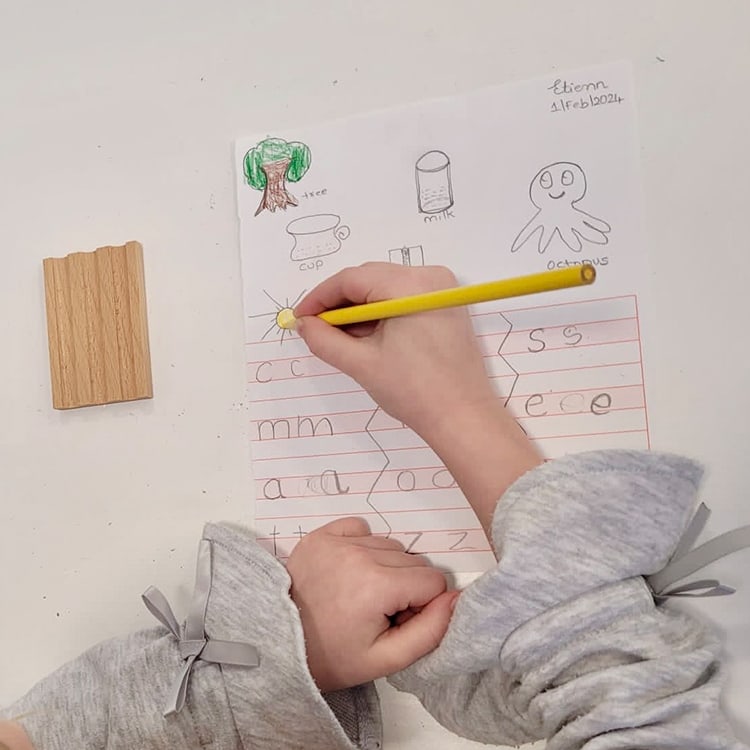

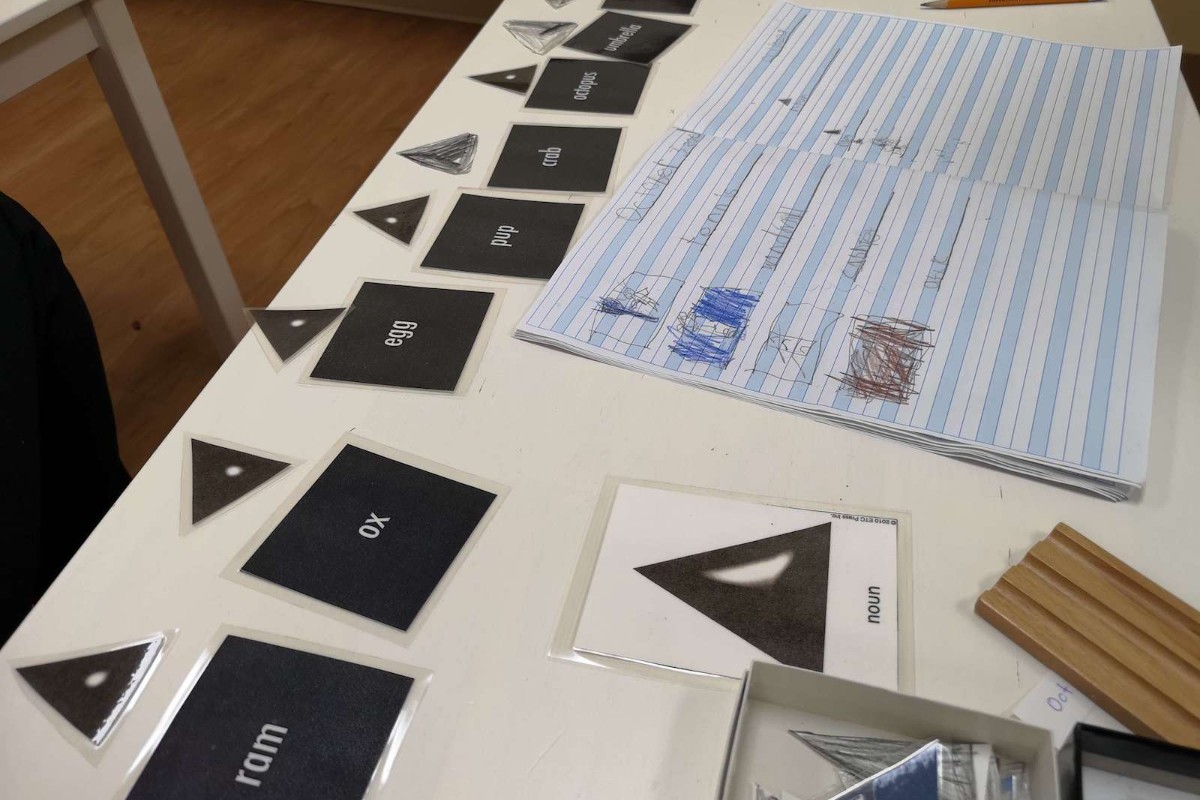
Many parents are surprised to learn that in a Montessori classroom, children often begin writing before they learn to read a book on their own. It may feel different from how most of us learned, but this order follows a child’s natural path of development, one of the key principles of the Montessori method.
Exploring how this hands-on process works can help you understand its power. The Montessori method prioritizes writing first because it allows a child to physically create and express language, which builds a strong and intuitive foundation for the more abstract skill of reading.
This journey helps your child develop a genuine and lasting love for literacy as part of a carefully structured approach to reading.
How Your Child Learns Language the Montessori Way
In a Montessori environment, language development begins long before a pencil is ever held. Children soak in spoken words, the stories they hear at circle time, the songs they sing, the conversations with friends.
Next comes hands-on writing, which helps them understand that writing is simply ‘talk written down.’ When they later start reading, they’re decoding their own creations rather than memorizing someone else’s text. That shift makes reading feel natural and meaningful.
This natural progression allows your child to connect their own thoughts and expressions to the symbols on a page. They learn that writing is just talk written down. This understanding makes the entire process of learning to read and write more logical and meaningful for them, which is a hallmark of what a Montessori lesson looks like.
Start with a Touch: The Power of Hands-On Writing
Writing in a Montessori classroom begins with the senses, long before your child is expected to hold a pencil correctly. We know that young children learn best through tangible, physical experiences, a core component of sensorial education in Montessori. This tactile exploration helps a child internalize the shape and sound of each letter in a way that looking at a flashcard cannot.
This method turns the abstract idea of a letter into a concrete, physical experience they can feel and remember. It builds muscle memory in the hand and deep connections in the brain. This foundation makes the later task of writing with a pencil feel much more natural.
The Sandpaper Letters
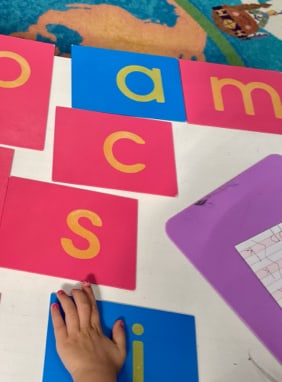
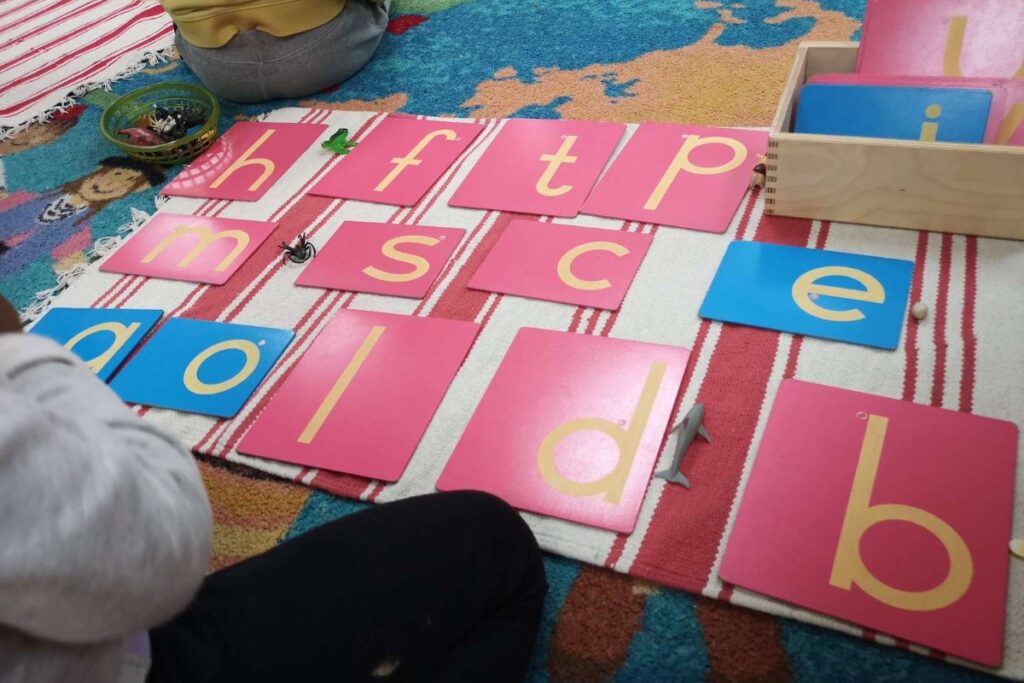
One of the first materials your child will encounter is the Sandpaper Letters. Your child traces the shape of a letter, made from textured sandpaper, with their fingers. As they trace, a guide says the phonetic sound of the letter—like “ah” or “buh”—not its name.
This simple yet powerful activity connects the physical motion of writing the letter to the sound it makes. Your child’s brain is simultaneously processing the feel of the shape, the sight of the symbol, and the sound it represents. This multi-sensory approach helps to solidify learning.
The Movable Alphabet
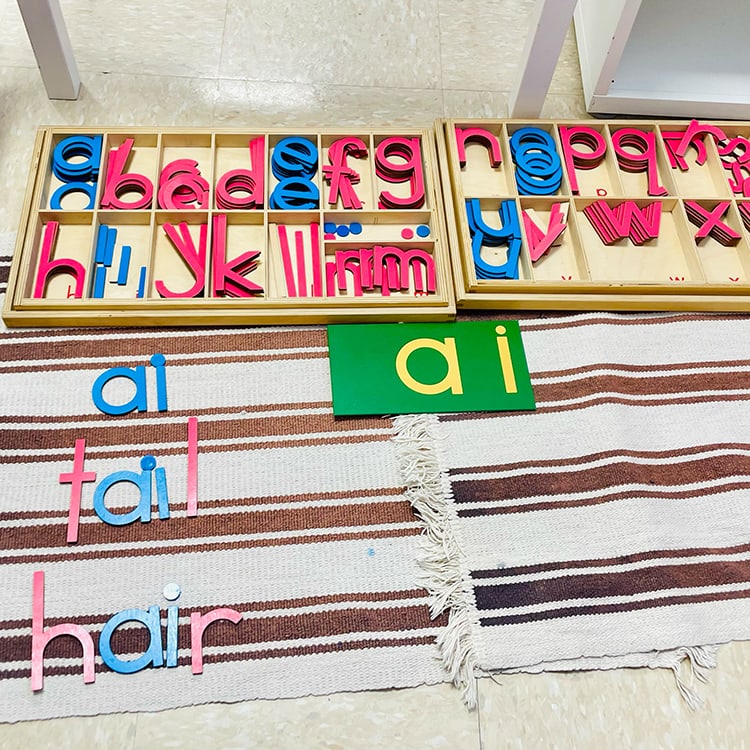
After your child is familiar with many letter sounds, they can use the Movable Alphabet. This is a large box containing wooden letters that your child can arrange to build words. They can spell out simple words phonetically before their hand muscles have the strength and coordination to write with a pencil.
This amazing step empowers your child to express their thoughts and tell their stories through writing. It separates the cognitive act of composing words from the physical strain of penmanship. This freedom helps build their confidence and shows them the purpose of written language—communication.
From Form to Function: The Natural Leap to Read
When a child can physically build words to express their ideas, the act of reading becomes much more intuitive. Reading naturally follows as the child begins to decode the very words they have already put together themselves. This process feels like an exciting discovery rather than a difficult chore.
Instead of being presented with a book of words made by someone else, your child first deciphers their own creations. This shift in perspective is what makes the Montessori approach to literacy so effective. It is a logical progression from creation to interpretation.
Decode Their Own Creations
The moment a child sounds out a word they just spelled with the Movable Alphabet is a powerful one. We often call this the “explosion into reading,” and it happens organically. The child’s brain suddenly makes the connection between the letters they assembled and the meaning of the word.
This is not a forced process but a joyful moment of insight. It happens when your child is developmentally ready to put all the pieces together. The guide is there to support this discovery, not to dictate its pace, which highlights the unique role of the teacher in a Montessori classroom.
A Sense of Ownership & Joy
Because your child is reading their own thoughts and words, the experience is deeply personal and rewarding. This builds a positive association with reading from the very start. It fosters a genuine love for language and communication that can last a lifetime.
They see reading not as a subject to be mastered but as a tool to share ideas and understand the world. This intrinsic motivation is a key goal of Montessori education. It helps children become curious, engaged, and self-directed learners.
Benefits for Your Child’s Development & Confidence
This “write-first” approach supports much more than just literacy skills. It respects your child’s individual pace and helps them build capabilities that extend into all areas of learning. The process fosters independence, concentration, and a deep sense of accomplishment that can help build their self-esteem.
When your child experiences success through their own efforts, they learn to trust their own abilities. This confidence encourages them to embrace new challenges. You may notice your child develop in several key areas:
- Develop Fine Motor Skills: Tracing the Sandpaper Letters and manipulating the Movable Alphabet prepares the small muscles in the hand for writing.
- Support Self-Paced Learn: Each child moves from one step to the next when they are ready, not according to a predetermined schedule.
- Build a Foundation for Curiosity: When a child feels capable and successful, they are more likely to explore new ideas and challenge themselves.
See Our Montessori Approach
The best way to truly understand the Montessori method is to see it for yourself. We invite you to observe how our guides support each child’s unique journey toward literacy in our carefully prepared classroom environments. You can see how this thoughtful, hands-on approach to learning can spark your child’s curiosity and joy.
At Mosaic Montessori Academy, we are dedicated to nurturing each child’s potential. We believe that a positive early learning experience can set the stage for a lifetime of success. We encourage you to learn more about how we can support your child’s intellectual and emotional development.
Come See the Journey in Action
The best way to understand why writing comes first in Montessori is to watch it unfold in the classroom. When you visit, you’ll see little hands tracing sandpaper letters, carefully building words with the Movable Alphabet, and proudly sounding out the words they created themselves — it’s a beautiful moment to witness.
We’d love to show you how these early experiences build confidence and a genuine love of language. Visit us or give us a call — we’re happy to answer questions and help you find the right program for your child.
Mosaic Montessori Academy offers programs for children ages 3–6, each designed to nurture independence, curiosity, and joy in learning. We look forward to welcoming your family into our community and sharing the calm, purposeful energy that makes Montessori so special.