
You’ve probably seen your child jump from one toy to another, their attention captured for only a few moments before something new catches their eye. It’s a common experience that can leave you wondering how to help your child develop deeper focus and a genuine love for learning. At Mosaic Montessori Academy, the structure of the day offers a unique approach.
The Montessori work cycle is a protected, uninterrupted period of time that allows your child to choose their activities, engage deeply, and develop concentration at their own pace. It’s a foundational part of the day that respects your child’s natural curiosity and is a core part of the Montessori philosophy.
A Simple Look at the Montessori Work Cycle
Imagine a block of time—often up to three hours—where your child is free to explore their interests without bells or scheduled interruptions. This is the essence of the work cycle. It’s not an unstructured free-for-all, but rather a carefully prepared environment where every activity has a purpose.
This protected time gives your child the space they need to settle into an activity and follow their curiosity. When they can work without being told to stop and move on to something else, they can reach a state of deep, satisfying concentration. This focused work is how children build their intellect and a positive attitude toward learning.
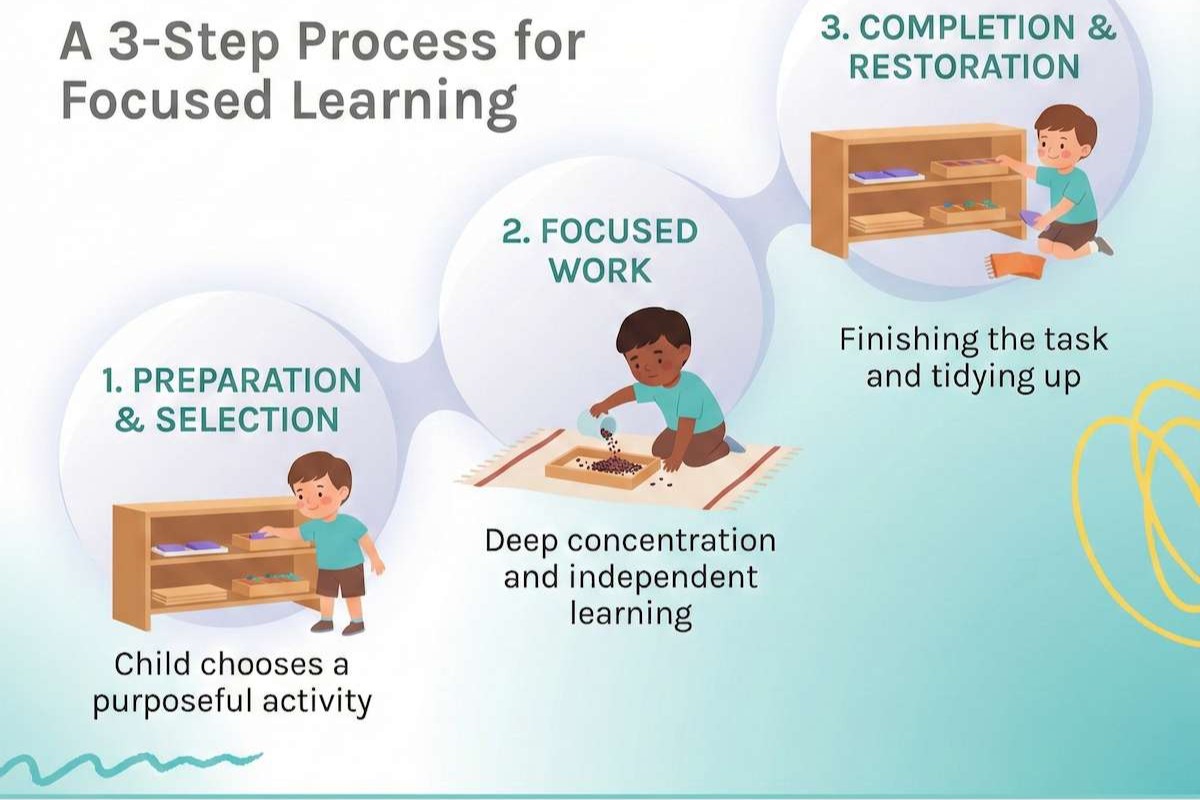
The 3 Parts of a Successful Work Cycle
The Choice of Activity & Preparation
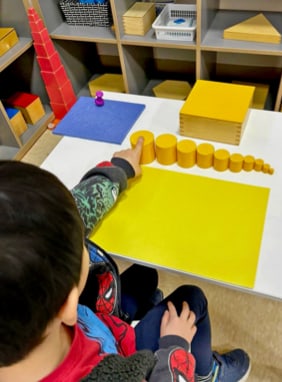
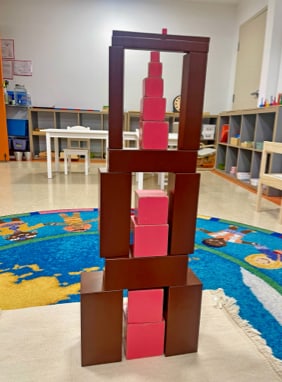
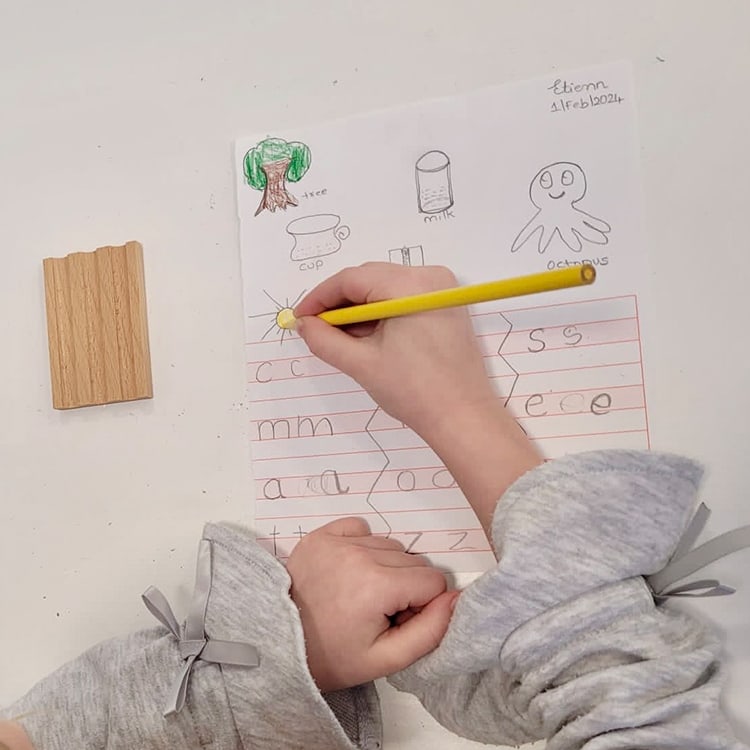
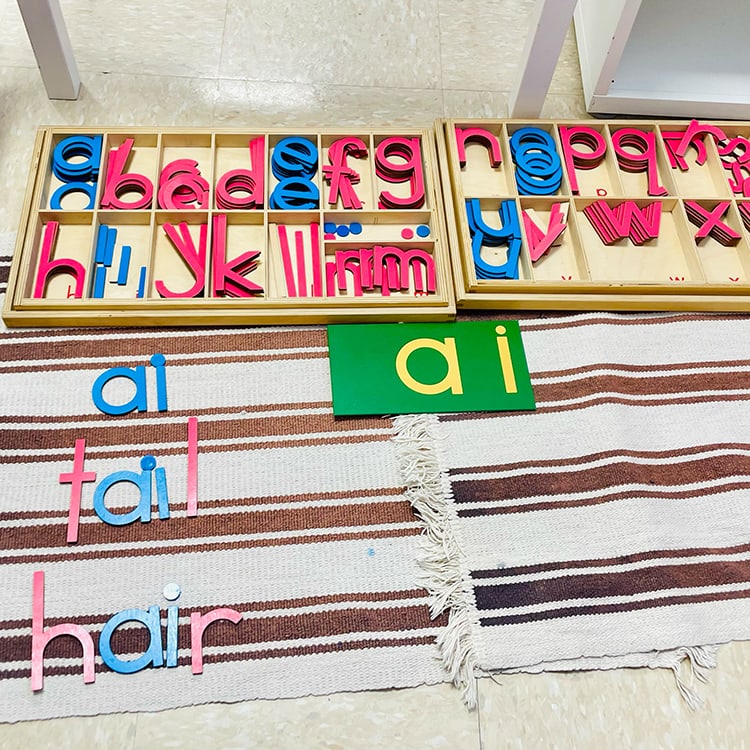
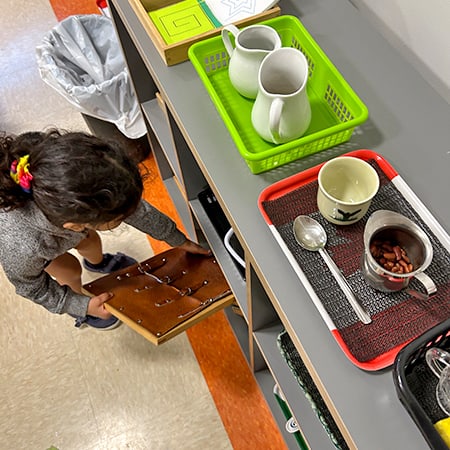
The cycle begins with your child’s choice. They are free to survey the classroom shelves, which are filled with engaging, hands-on materials. When something sparks their interest, they independently select it, carry it to a mat or a table, and prepare their own workspace. This simple act of choosing and setting up fosters responsibility and ownership from the very start.
Deep Focus & Exploration
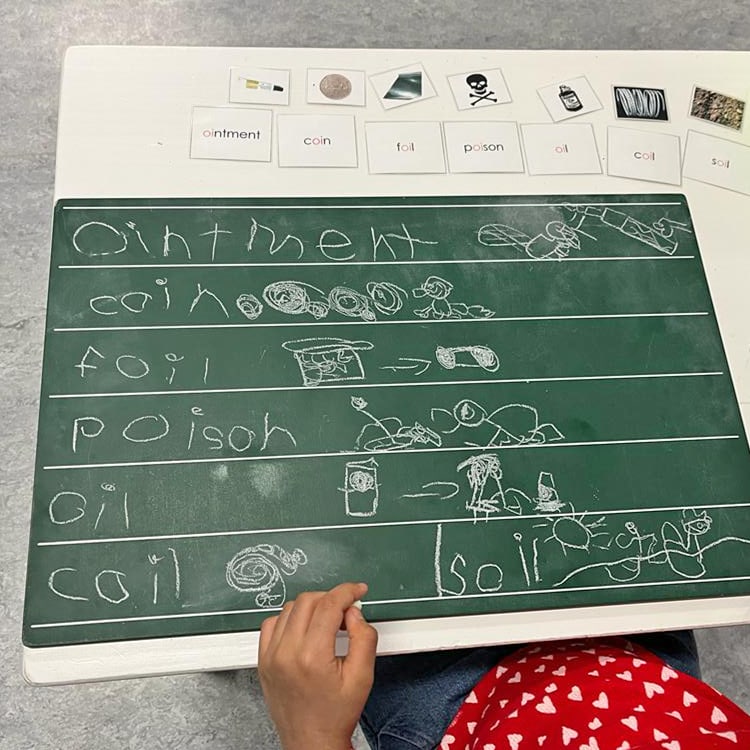
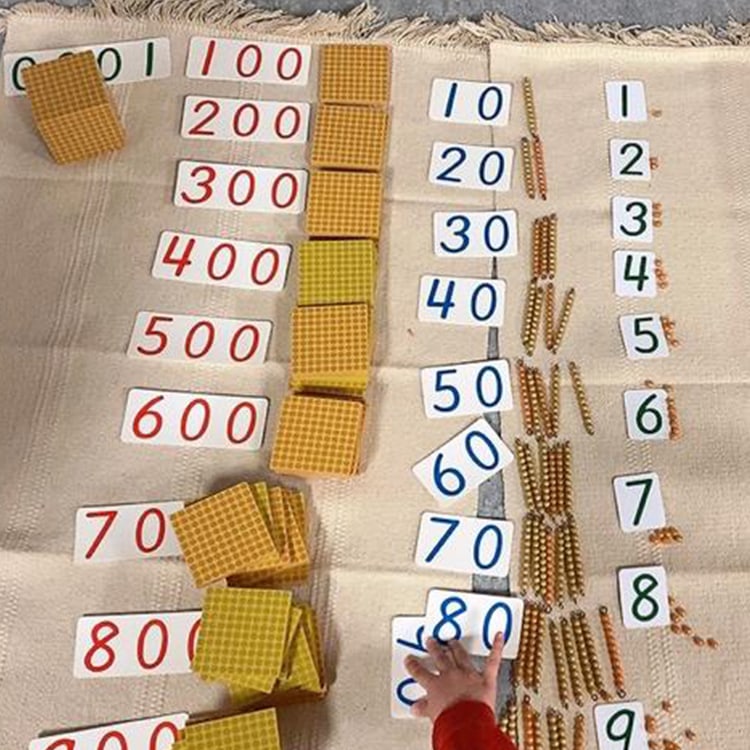
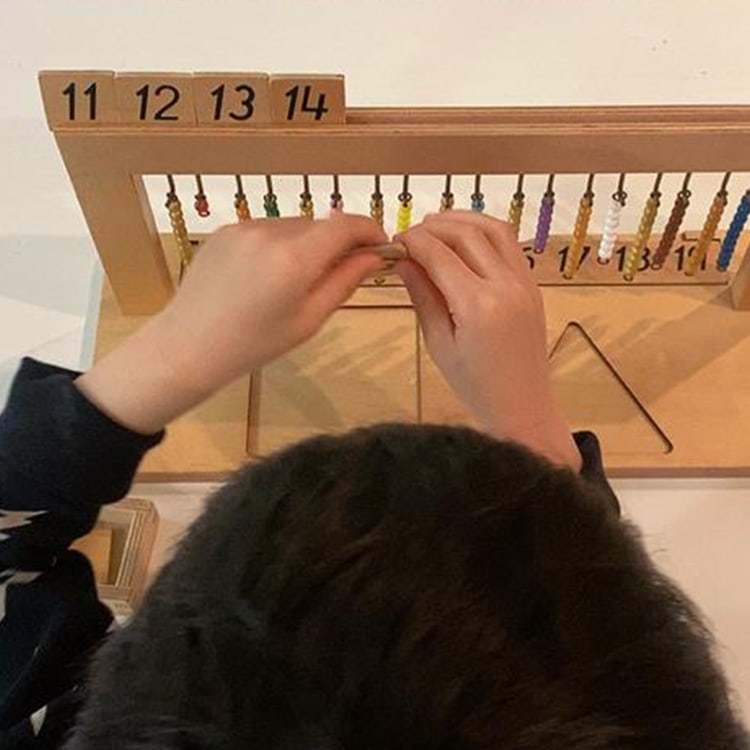
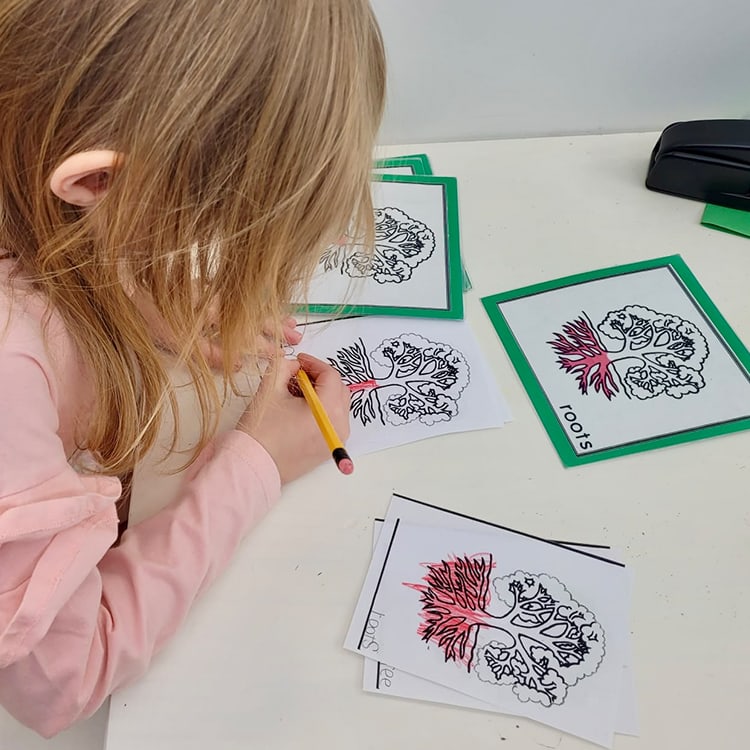
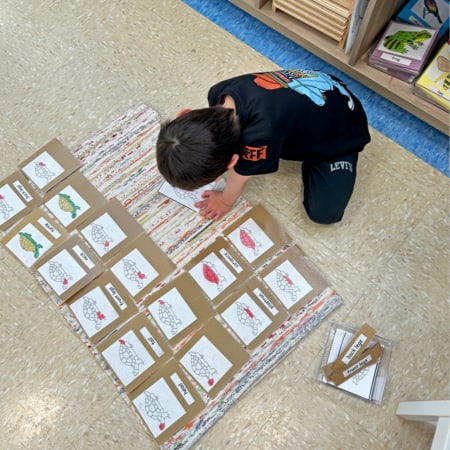
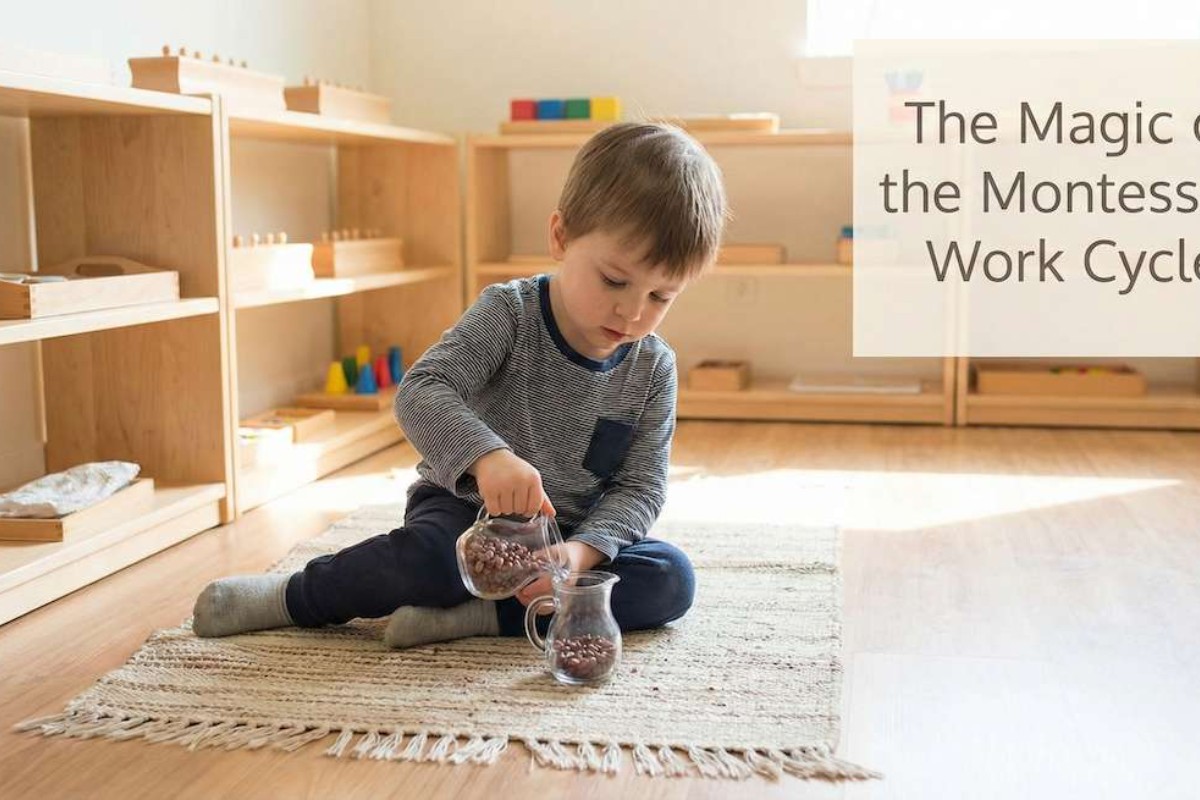
This is the heart of the work cycle. Once settled, your child can become completely absorbed in their chosen task. They may repeat an activity over and over, which is a natural way for them to practice a skill until they achieve mastery. During this time of intense concentration, your child is making important neural connections and building their ability to focus for extended periods.
Completion & Return of Materials
When your child feels satisfied with their work, they conclude the cycle. They clean up their space and carefully return the materials to the proper spot on the shelf, leaving it ready for the next person. This final step instills a sense of order, respect for the environment, and a feeling of accomplishment that boosts their self-esteem.
How the Work Cycle Helps Your Child Flourish
This uninterrupted work period is a cornerstone of the educational philosophy you find at a Montessori School. It directly supports your child’s development in several key areas. The work cycle helps your child to:
- Foster deep concentration
- Build independence & self-reliance
- Develop coordination & fine motor skills
- Cultivate self-discipline & a sense of order
- Boost confidence & a love for learning
The Teacher’s Role as a Guide & Observer
During the work cycle, the teacher’s role is not to lead from the front of the room. Instead, they act as a thoughtful guide and a careful observer. Their primary responsibility is to protect each child’s concentration and ensure the classroom remains a peaceful, productive space.
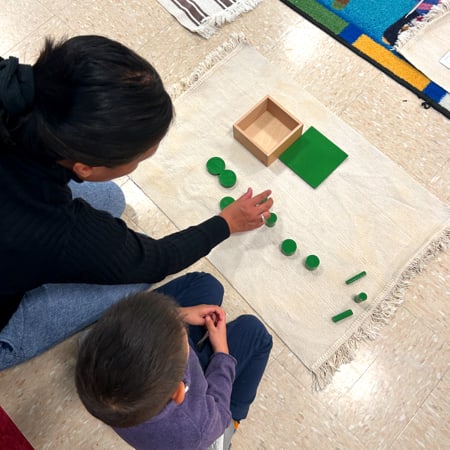
The teacher moves quietly through the room, observing each child’s progress and needs. They may present a new lesson to an individual child who is ready for the next challenge, but they do so without disturbing others. This approach respects your child’s pace and allows them to receive personalized guidance right when they need it.
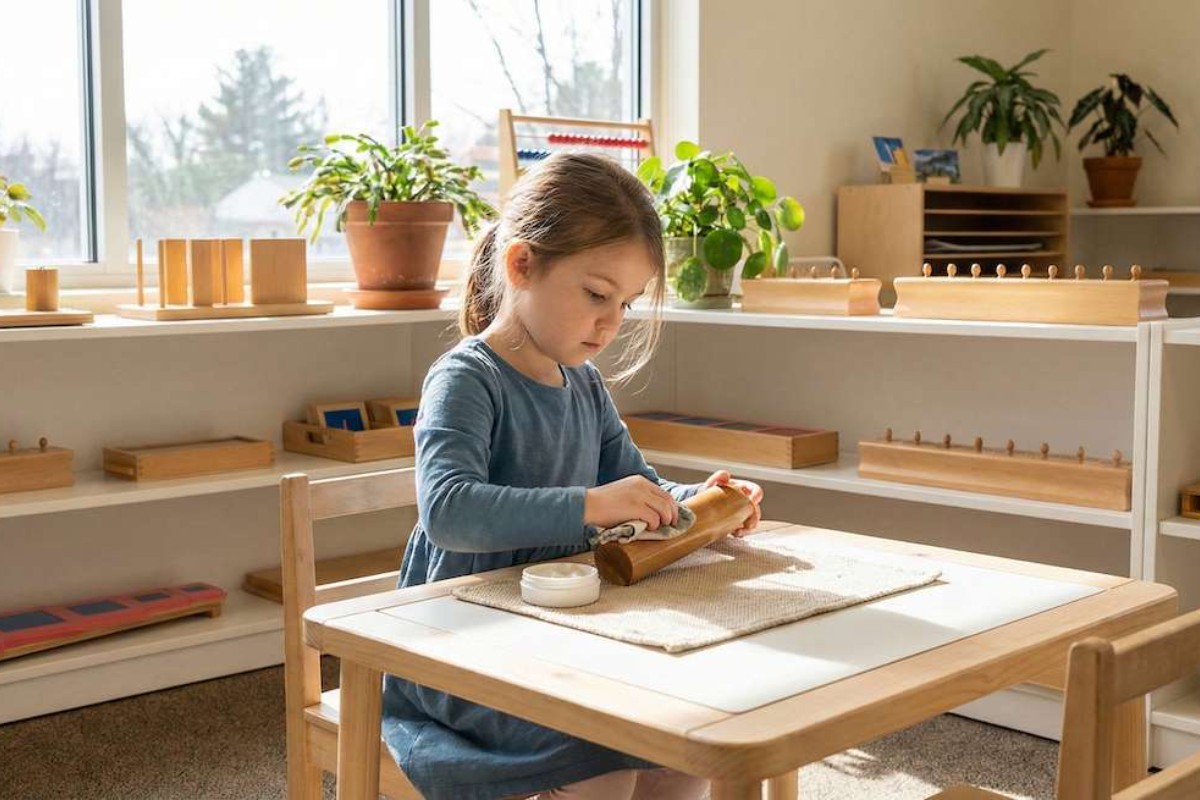
How to Support Your Child’s Focus at Home
You can apply the principles of the work cycle at home to help your child develop their ability to concentrate. These simple adjustments can make a big difference in how your child engages with their toys and activities.
- Create an organized & accessible play space: Use low shelves and clear bins so your child can easily see and choose their toys. A tidy space is less overwhelming and encourages focused play.
- Allow for uninterrupted time for play & projects: Try to avoid interrupting your child when they are deeply engaged in an activity. This shows them that you value their work and helps them stretch their attention span.
- Encourage your child to put one activity away before they start another: This simple routine helps build a sense of order and responsibility, mirroring the final step of the Montessori work cycle.
At Mosaic Montessori Academy, the work cycle provides a daily opportunity for children to build the skills that will serve them for a lifetime, from concentration and self-discipline to a true passion for discovery.
Discover How the Montessori Work Cycle Supports Your Child’s Growth
The Montessori work cycle is more than just classroom structure, it’s a daily opportunity for your child to build confidence, independence, and a lifelong love of learning. When children are given the time and freedom to explore meaningful activities at their own pace, they flourish academically, socially, and emotionally.
If you’re curious how this powerful approach can support your child’s development, we invite you to learn more about our programs at Mosaic Montessori Academy in Calgary. Our dedicated guides, thoughtfully prepared environments, and commitment to authentic Montessori principles help children thrive every day.