
The move from preschool to elementary school is an exciting milestone for your child and your family. While it’s a time of growth, it can also bring new challenges and feelings of uncertainty. A foundation from a Montessori program can help make this transition feel smooth and natural, and you can play a supportive role in making this change a positive experience for everyone.
You can help your child successfully transition by preparing them for the new environment, reinforcing their existing skills, and continuing Montessori principles at home. Building on the confidence and skills your child already has will help them feel ready for their new classroom.
Prepare Your Child for Their Next Big Step
Open conversations and positive routines in the months before school starts are very helpful. This approach helps your child understand what to expect from their new school day. It also reinforces the self-assurance they developed during their time in preschool.
By focusing on what is familiar and exciting, you can frame the transition as a new adventure. This perspective empowers your child to look forward to the change rather than feel anxious about the unknown. Your calm and positive attitude sets the tone for their experience.
What Your Child Learned at a Montessori Preschool
Your child’s Montessori preschool experience gave them more than just academic knowledge. It nurtured specific skills that help them adapt to new environments and challenges. You can feel confident that they have a strong foundation for future learning.
A Love for Discovery & Learning
The Montessori method encourages children to explore subjects that genuinely spark their curiosity. This freedom helps create a positive association with the act of learning itself. Your child learns to ask questions and seek out answers independently.
This internal drive to learn is a valuable asset in any educational setting. It means your child is more likely to engage with new topics and actively participate in their own education. They see learning as a joyful process of discovery.
Independence & Self-Direction
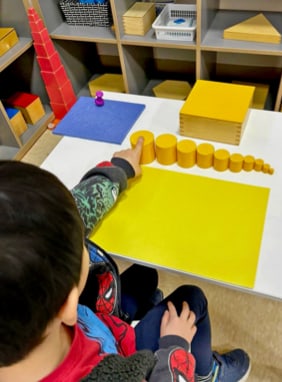
In a Montessori classroom, children often choose their own activities and work at their own pace. This practice builds impressive concentration and a sense of responsibility for their work. They learn how to manage their time and complete tasks from start to finish.
This self-direction helps children become accountable for their own learning journey. They understand how to follow multi-step directions and can often work without constant supervision. These are skills that teachers in any elementary classroom appreciate.
Social & Emotional Skills
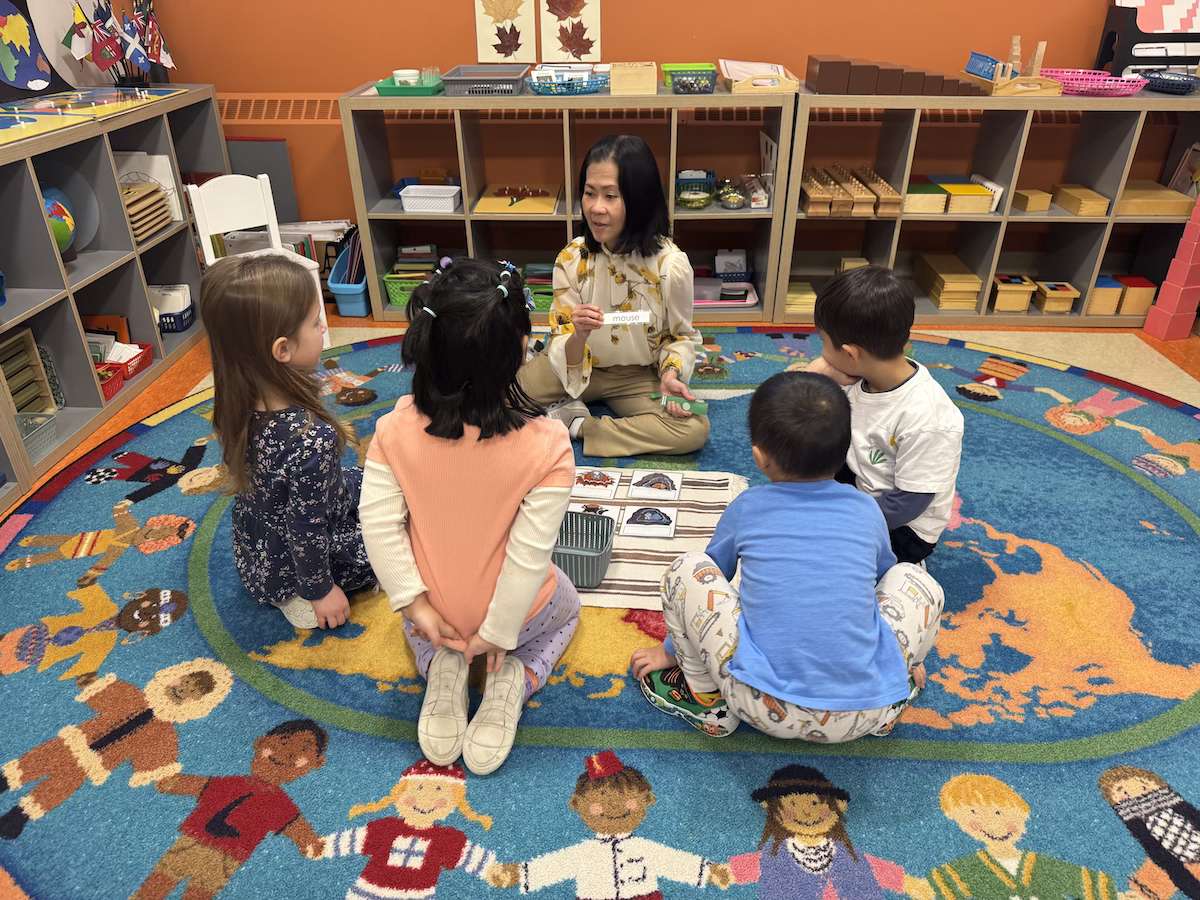
Mixed-age classrooms are a key way Montessori strengthens social skills, allowing children to learn from one another and practice empathy in real-world situations. They develop respect for others and learn how to navigate social dynamics with grace. They practice being both a leader and a supportive peer.
These skills are valuable in any school setting and throughout life. Your child has learned how to collaborate on projects, resolve minor conflicts, and communicate their needs clearly. This emotional intelligence helps them build positive relationships with new classmates and teachers.
Bridge the Gap Between Preschool & Elementary
As the first day of school approaches, a few practical steps can help make the transition feel exciting rather than overwhelming. A little preparation can make a big difference in how your child feels about this new adventure. These strategies connect their past experiences with their future ones.
Talk About the New School
Visit the new school and play on the playground together if possible. Talk about what the school day might look like—mentioning things like recess, lunch, and different subjects. Familiarity with the physical space can ease first-day jitters. These strategies also help build their self-esteem and reinforce their ability to handle new situations.
Answer your child’s questions honestly and with a consistently positive attitude. Reading books about starting school can also be a great way to start conversations. This helps normalize their feelings and build excitement.
Focus on Familiar Routines
Consistent morning and bedtime routines can provide a sense of stability during a time of change. Even if the school schedule is different, the home schedule can remain a comforting anchor. This predictability helps your child feel secure.
In the weeks leading up to the first day, you can start adjusting to the new school-year schedule. This might mean waking up a bit earlier or having breakfast at a set time. A gradual shift is much easier for a child to handle than an abrupt change.
Connect Montessori Ideas to the New Classroom
You can point out similarities between their new classroom and their Montessori one. Perhaps they will still hang up their own coat or have a special spot for their supplies. These small connections can help your child feel more at home in the new space.
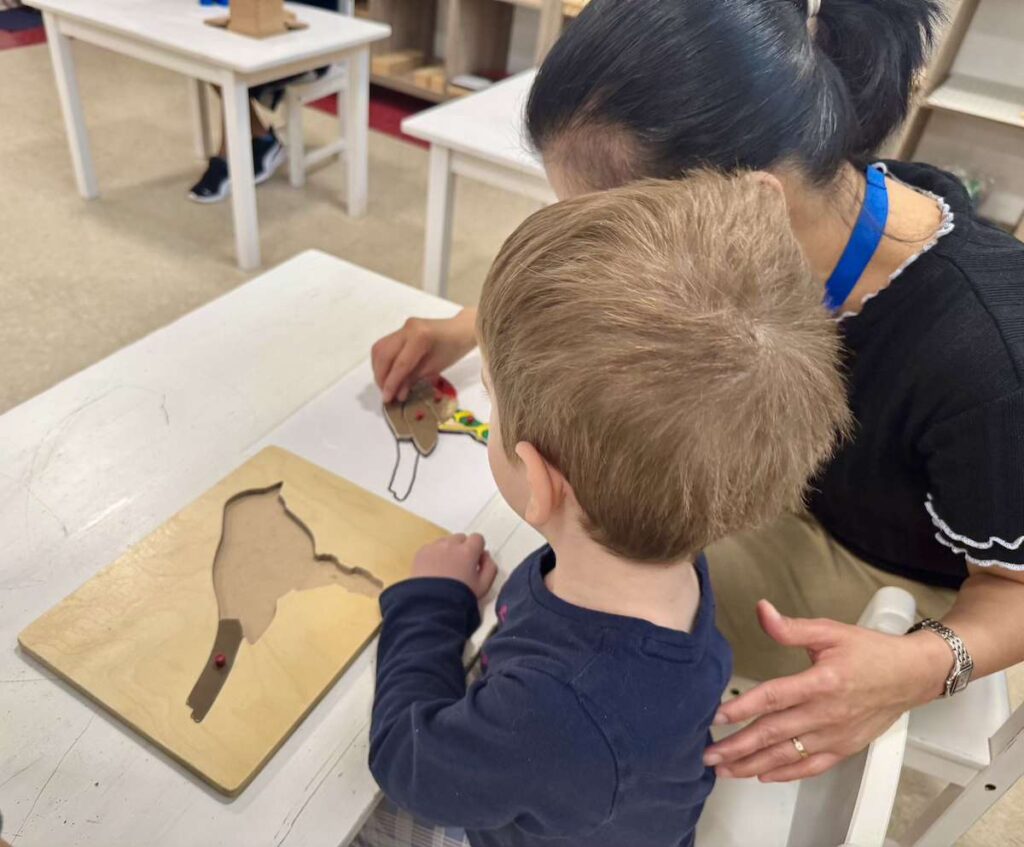
How a Montessori Foundation Helps in Any School
The skills your child developed in a Montessori environment are highly transferable. They are not just prepared for a specific type of classroom—they are prepared for learning itself. This adaptability is one of the great outcomes of the Montessori method.
Adaptability & Problem-Solve Skills
Montessori children are encouraged to think for themselves and explore different ways to solve problems. When faced with a new challenge in elementary school, they have the confidence and flexibility to try, adjust, and learn, rather than give up or wait for direction. They are comfortable with trying different approaches to find one that works.
Instead of waiting for an adult to provide an answer, a child with a Montessori background is more likely to try to figure it out first. They see new situations not as obstacles, but as opportunities to learn. This resilience is a key indicator of academic success.
A Strong Academic Foundation
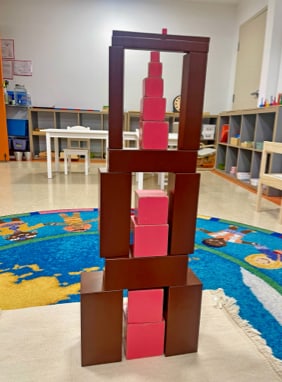
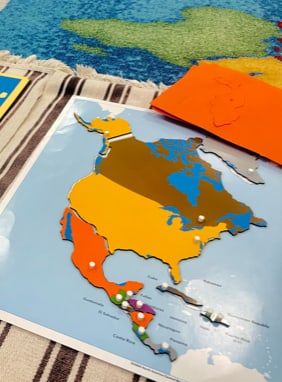
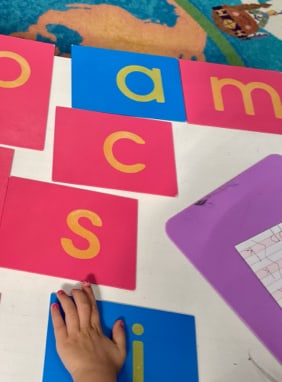
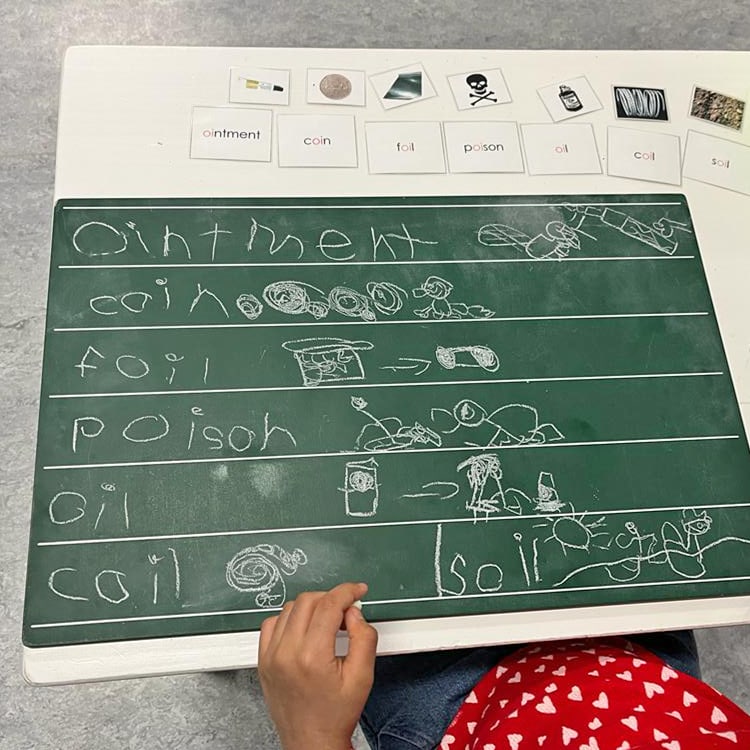
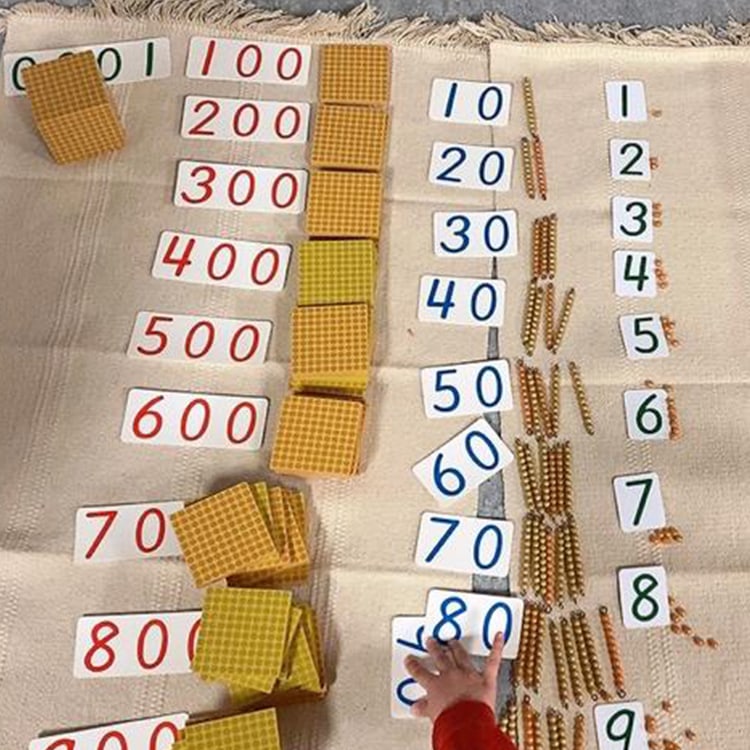
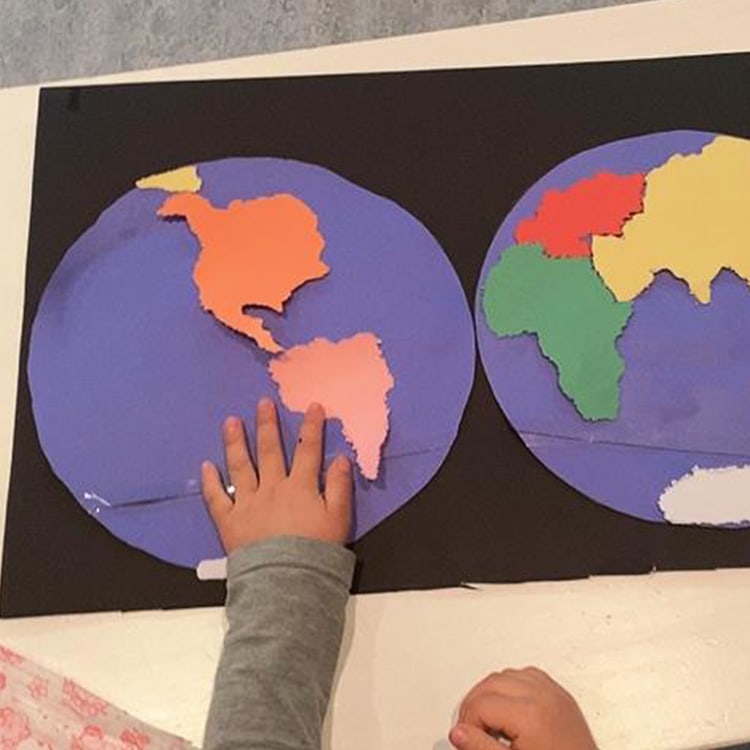
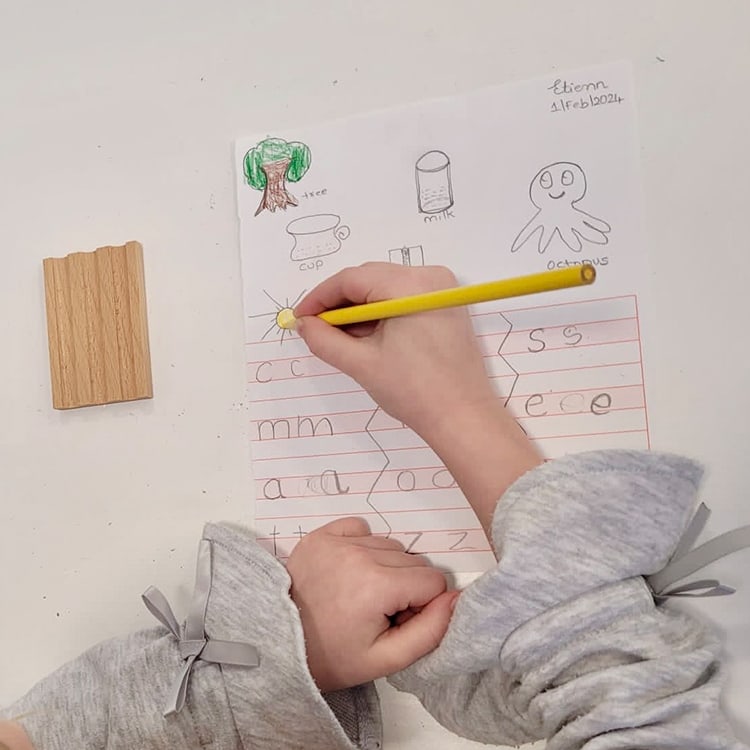
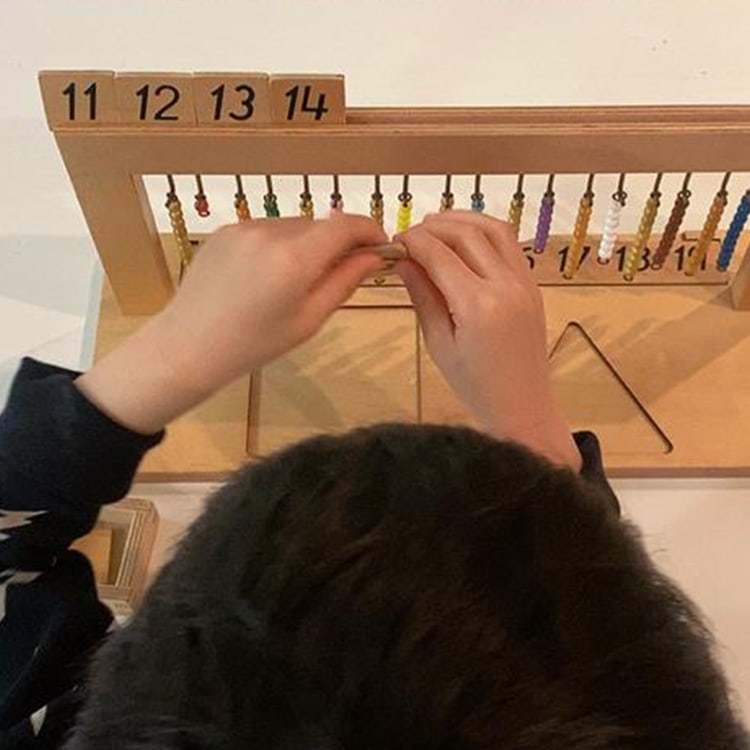
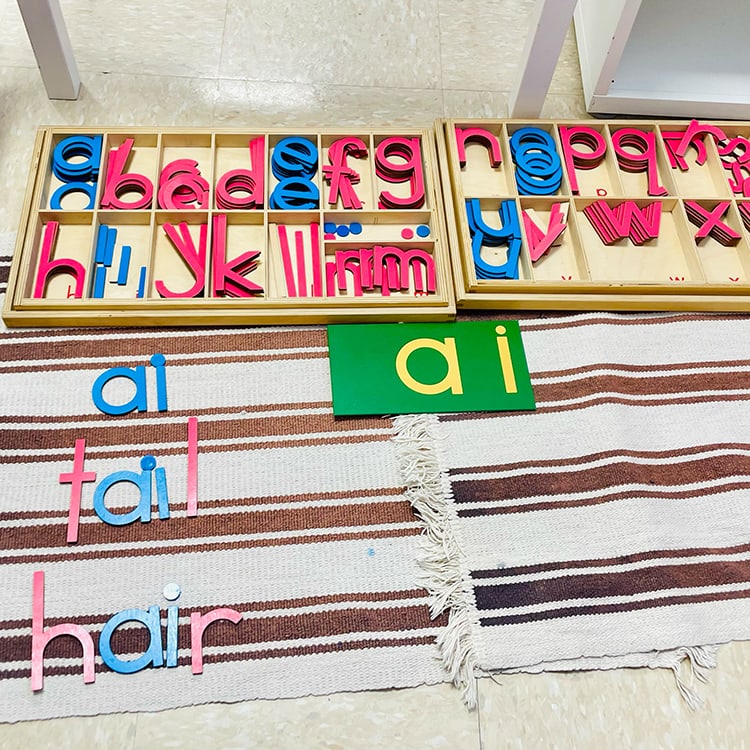
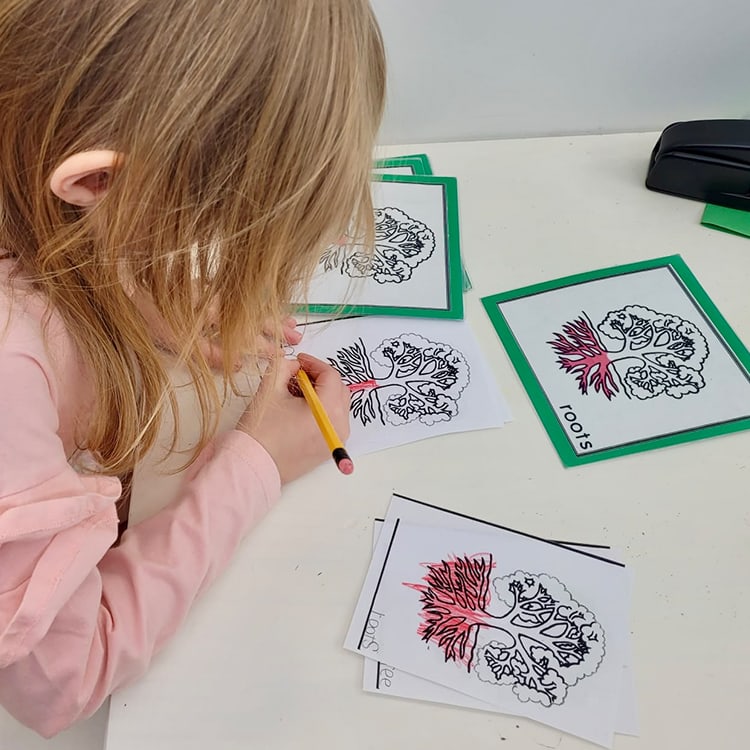
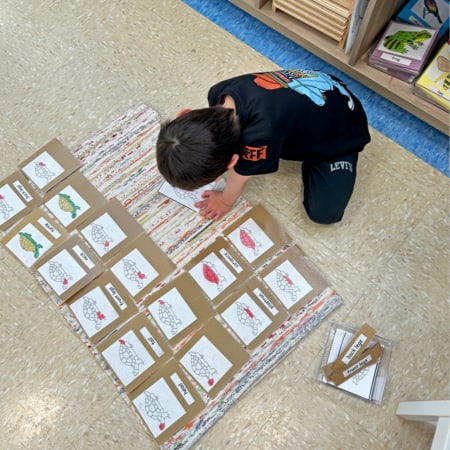
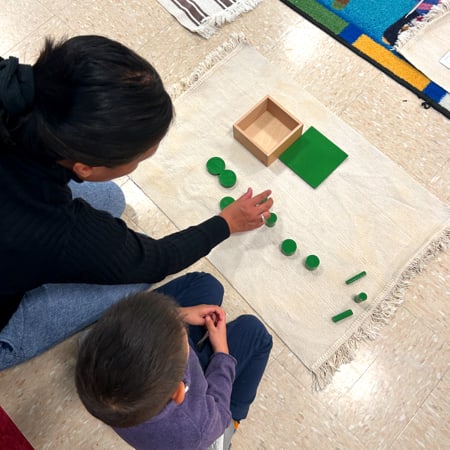
Your child has been exposed to concepts in math, language, and culture in a hands-on, concrete way. For example, the way Montessori teaches reading provides a tangible understanding that helps them grasp more abstract ideas in elementary school. They have a solid base on which to build new knowledge.
Because they learned at their own pace, they likely have a deep and meaningful understanding of core concepts. This prevents gaps in their learning and gives them the confidence to tackle more complex subjects. They have learned how to learn.
Bringing Montessori Principles into Your Home
Your child’s education doesn’t stop when they leave the classroom — and in Montessori, learning is meant to extend naturally into everyday life. By incorporating simple Montessori-inspired routines at home, you can reinforce what your child is learning and help them continue developing confidence, independence, and a sense of purpose.
Create an Organized, Child-Friendly Space
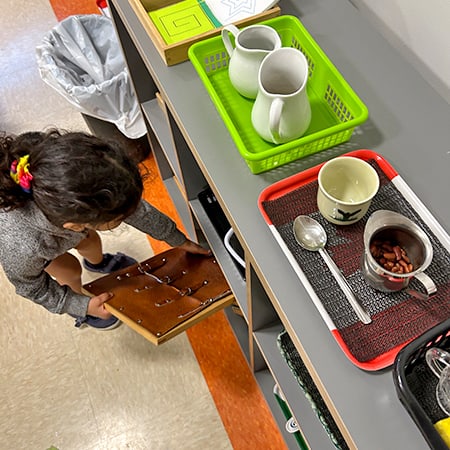
Set up your child’s room or play area so they can access what they need independently. Low shelves, labeled baskets, and child-height hooks or bins help make books, toys, and clothing easy to reach, and easy to put away.
When children can manage their own space, it strengthens their decision-making skills, reduces frustration, and builds pride in their independence. It can also ease daily routines, like getting dressed or tidying up, by giving them the tools and freedom to do it on their own.
Encourage Practical Life Skills
Montessori learning includes real-world tasks that help children feel capable and included. You can support this at home by involving your child in simple everyday activities, such as:
- Setting the table
- Watering plants
- Sorting laundry
- Preparing their own snack
These kinds of tasks promote coordination, patience, and focus — and just as importantly, they show your child that their contributions matter. Learning how to care for their space and participate in family life helps build essential life skills that will serve them well beyond preschool.
Support for Every Step of the Journey
At Mosaic Montessori Academy, we believe that learning happens everywhere — in the classroom, at home, and in every moment in between.
Our Calgary preschool programs are designed to support the whole child: academically, socially, and emotionally. Whether your child is just starting preschool or preparing for the transition to elementary school, we’re here to help them grow with confidence.
Schedule a tour today to learn how Montessori education can support your child’s journey, in school and in life.